Logowanie
Mikołaj - ten to ma gest!









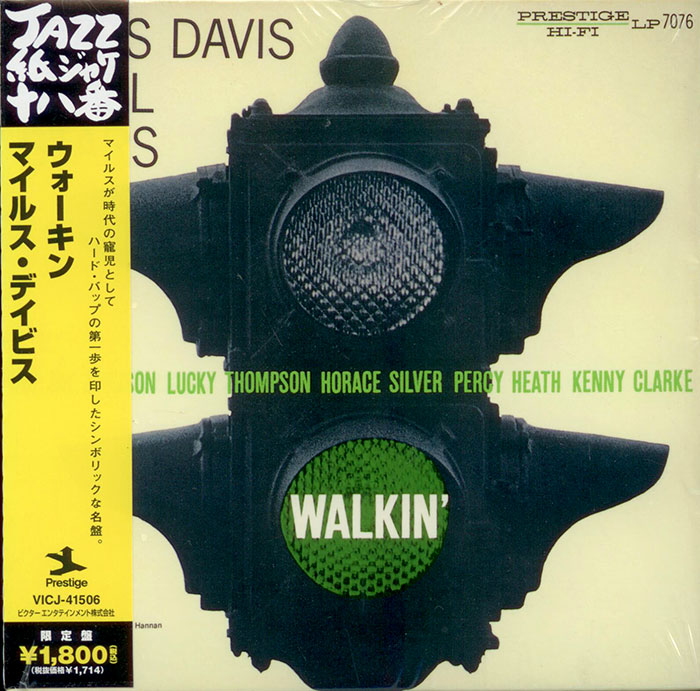
Miles Davis, Horace Silver, Jay Jay Johnson, Percy Heath, Kenny Clarke, Lucky Thompson
Walkin'
20bit K2Super Coding - ale jak to brzmi!

Kasety magnetofonowe










Winylowy niezbędnik




ClearAudio
Double Matrix Professional - Sonic
najbardziej inteligentna i skuteczna pralka do płyt winylowych wszelkiego typu - całkowicie automatyczna
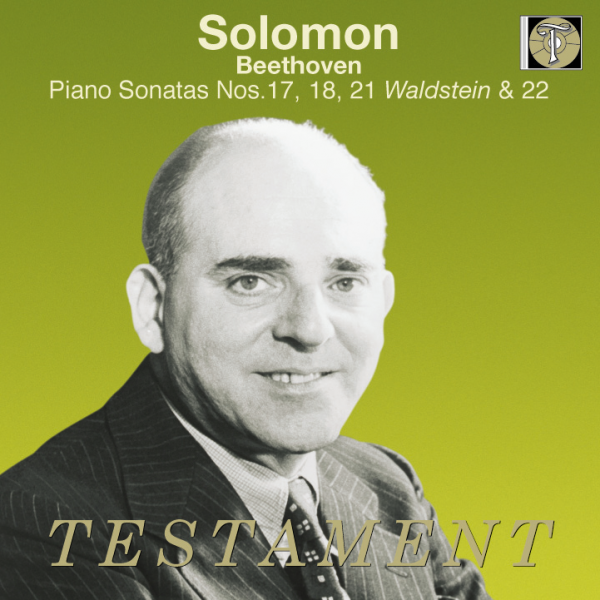
BEETHOVEN, Solomon
Piano Sonatas Nos. 17, 18, 21 - Waldstein, & 22, Opp. 31/2, 3, 53, 54
- 1. Piano Sonata No.17 in d, Op.31 No.2: I. Largo - Allegro
- 2. Piano Sonata No.17 in d, Op.31 No.2: II. Adagio
- 3. Piano Sonata No.17 in d, Op.31 No.2: III. Allegretto
- 4. Piano Sonata No.18 in E flat, Op.31 No.3: I. Allegro
- 5. Piano Sonata No.18 in E flat, Op.31 No.3: II. Scherzo (Allegretto Vivace)
- 6. Piano Sonata No.18 in E flat, Op.31 No.3: III. Minuet (Moderato Grazioso) & Trio - Coda
- 7. Piano Sonata No.18 in E flat, Op.31 No.3: III. Presto Con Fuoco
- 8. Piano Sonata No.21 in C, Op.53 'Waldstein': I. Allegro Con Brio
- 9. Piano Sonata No.21 in C, Op.53 'Waldstein': II. Intro (Adagio Molto) - Rondo (Allegretto Moderato)...
- 10. Piano Sonata No.22 in F, Op.54: I. In Tempo Di Minuetto
- 11. Piano Sonata No.22 in F, Op.54: II. Allegretto - Piu Allegro
- Solomon - piano
- BEETHOVEN
Salomon, brytyjski pianista, który już w wieku dziesięciu lat miał za sobą pierwsze publiczne występy. Jako nastolatek z powodzeniem wykonywał kompozycje Beethovena, oraz Czajkowskiego. Intensywne tournee, oraz duża presja spowodowały w nim niechęć do grania na fortepianie. Za namową dyrygenta Sir Henry Wooda przestał publicznie występować i zajął się nauką. Powrócił na scenę dopiero po skończeniu 21 lat, jego gra weszła wtedy na zupełnie nowy poziom. Koncertował w Wielkiej Brytanii, USA i Australli, gdzie zasłynął z legendarnych interpretacji Beethovena. Jego wykonania charakteryzują się niezwykłą wirtuozerią, liryzmem, oraz głęboką pasją. The "Waldstein" Sonata, No. 21, and the "Tempest," No. 17, are the most popular works here and Solomon plays them to the hilt, bristling with energy and naturalness. When he molds a phrase or sets a tempo, you feel there's no other way to play it. Contributing to that sense of rightness is his refusal to go over the top, so the opening movement of the "Waldstein" never spills over into overt aggressiveness, and the quicksilver mood shifts of the "Tempest" always seem to come from the music's inner logic, rather than being imposed by a showoff virtuoso. Beethoven set off the drama in the "Tempest" with his next work in the Op. 31 set, Sonata No. 18. Solomon clearly differentiates between the two, giving the latter a kinder, gentler touch. The little, two-movement 22nd Sonata lends itself to virtuosic heroics, and here we get an unbuttoned Solomon, who rips through it with abandon. (Dan Davis)