Logowanie
HIMALAJE aufiofilizmu
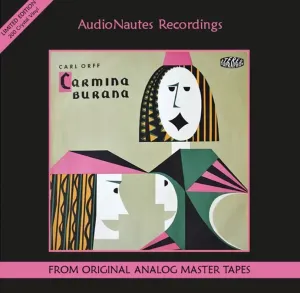
ORFF, Tschechische Philharmonie Prag, Vaclav Smetacek
Carmina Burana


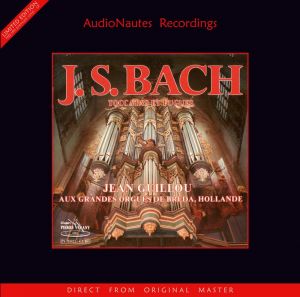
BACH, Jean Guillou
Toccatas et Fugues (BWV 538, 540, 564 & 565)
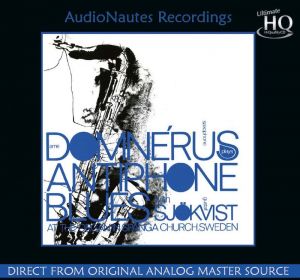
ELLINGTON, SCHUMANN, VIVALDI, Arne Domnerus, Gustaf Sjokvist
Antiphone Blues
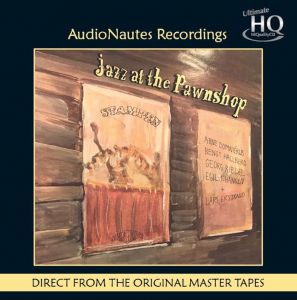
Arne Domnerus, Bengt Hallberg, Lars Erstrand
Jazz At The Pawnshop

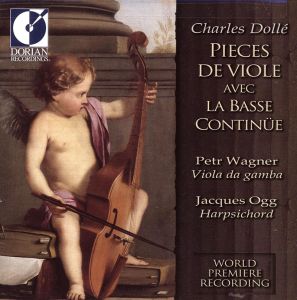
Legendarne brzmienie DORIAN



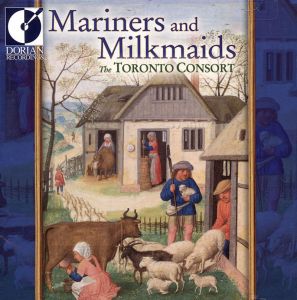

Winylowy niezbędnik
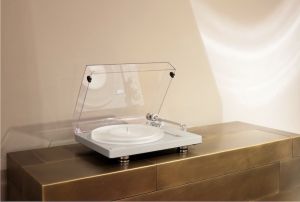
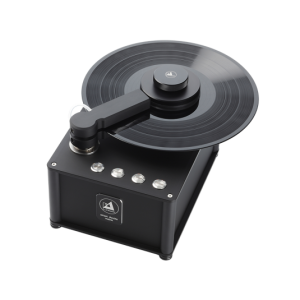
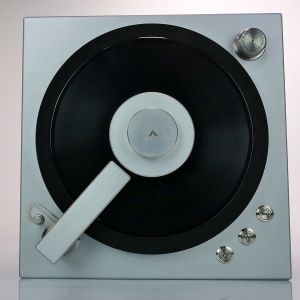
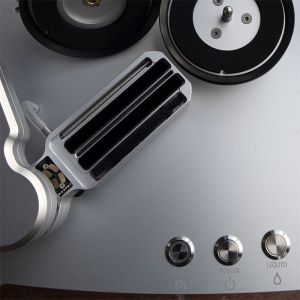
ClearAudio
Double Matrix Professional - Sonic
Klasyczne evergreeny
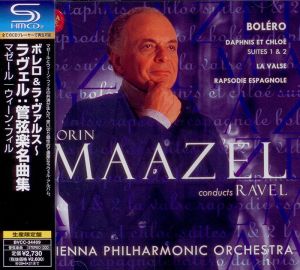
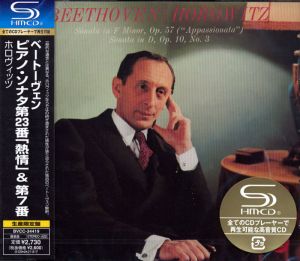
BEETHOVEN, Valdimir Horowitz
Piano Sonata No. 23 in F Minor, Op. 57 APPASSIONATA // Piano Sonata No. 7 in D, Op. 10, No. 3
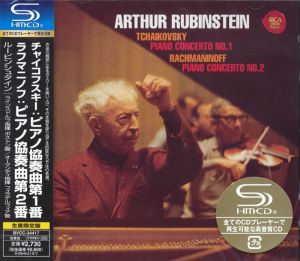
TCHAIKOVSKY, RACHMANINOV, Arthur Rubinstein, Daniel Barenboim
Piano Concerto No. 1 in B-Flat Minor, Op. 23 // Piano Concerto No 2 in C Minor, Op. 18
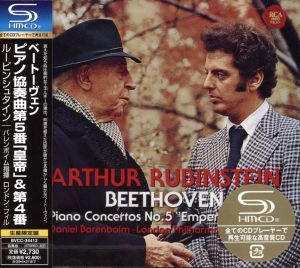
SCHUMANN, Hideyo Harada – Fantasia in C major / Kreisleriana, Op.16 / Arabeske, Op.18

CloseCover Gallery

| Wykonawcy / kompozytorzy | |
|---|---|
| SCHUMANN (composer) | |
| Hideyo Harada (piano) | |
- Hideyo Harada - piano
- SCHUMANN

69.00 PLN
SACD Multi-CH:
Cat. nr: AUD92577Label : Audite
> Following her highly successful recordings on SACD format of works by Grieg (aud. 92.555) and Tchaikovsky and Rachmaninov (aud. 92.569), the Japanese pianist Hideyo Harada presents her third SACD with three key works by Schumann, celebrating the 200th anniversary of his birth. In a coherent interpretation, Schumann’s works offer several mysteries and countless possibilities. With her new recording, Hideyo Harada exhibits a highly personal and carefully considered reading of three major romantic works. She realises with remarkable plasticity Schumann’s pivotal concerns from a crucial period of his artistic development: the wide, quasi-narrative context including stark contrasts and differentiated, filigree details; the characteristically free flow of tempo and the clear contours of the complex course of his music. Relationships to romantic literature (“Kreisleriana”), to the classical legacy of spacious musical design (“Fantasie” in C major) and to abstract visual art (“Arabeske”) accentuate the open horizon under which Schumann saw his music between 1836 and 1838.