Logowanie
HIMALAJE aufiofilizmu
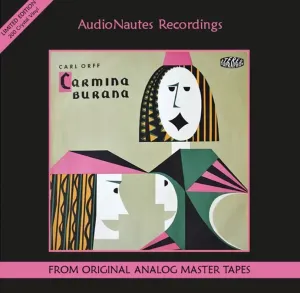
ORFF, Tschechische Philharmonie Prag, Vaclav Smetacek
Carmina Burana
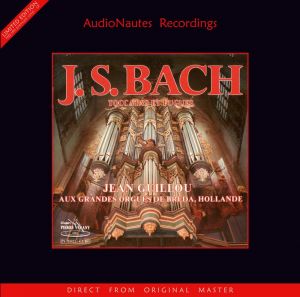
BACH, Jean Guillou
Toccatas et Fugues (BWV 538, 540, 564 & 565)
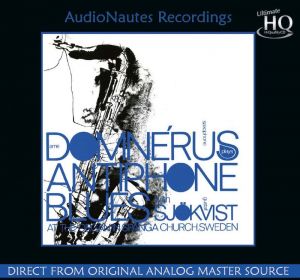
ELLINGTON, SCHUMANN, VIVALDI, Arne Domnerus, Gustaf Sjokvist
Antiphone Blues
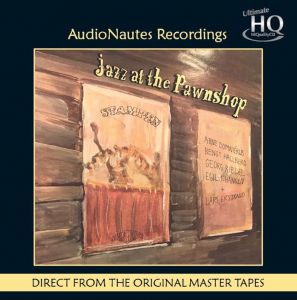
Arne Domnerus, Bengt Hallberg, Lars Erstrand
Jazz At The Pawnshop
Legendarne brzmienie DORIAN
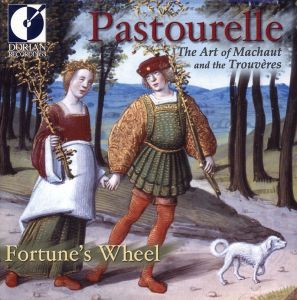
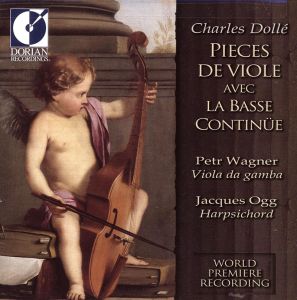
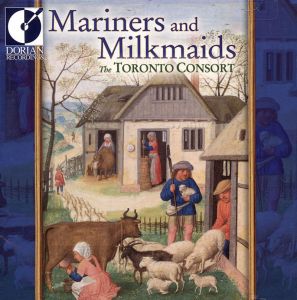
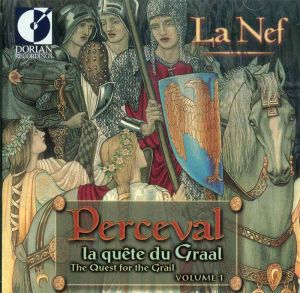
Winylowy niezbędnik
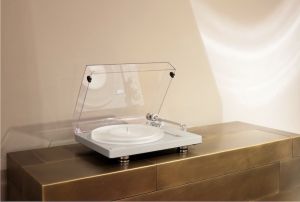
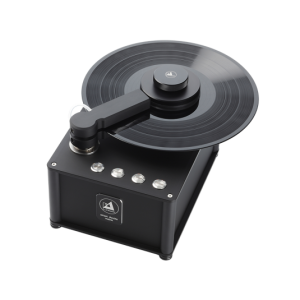
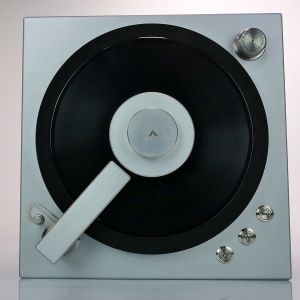
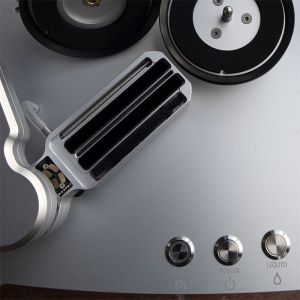
ClearAudio
Double Matrix Professional - Sonic
Klasyczne evergreeny
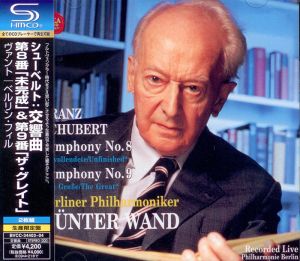
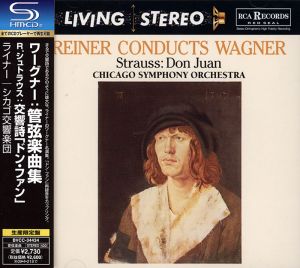
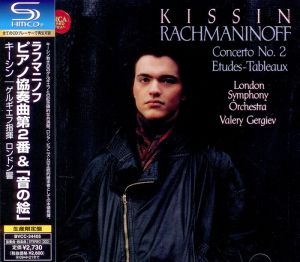
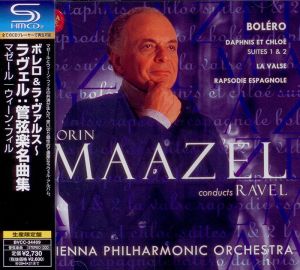
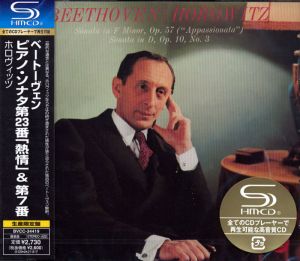
BEETHOVEN, Valdimir Horowitz
Piano Sonata No. 23 in F Minor, Op. 57 APPASSIONATA // Piano Sonata No. 7 in D, Op. 10, No. 3
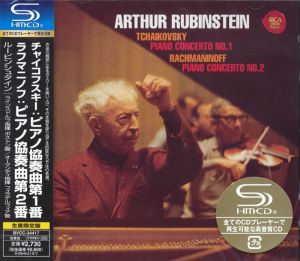
TCHAIKOVSKY, RACHMANINOV, Arthur Rubinstein, Daniel Barenboim
Piano Concerto No. 1 in B-Flat Minor, Op. 23 // Piano Concerto No 2 in C Minor, Op. 18
HONEGGER, Grand Symphony Orchestra – Honegger Conducts Honegger

| Wykonawcy / kompozytorzy | |
|---|---|
| HONEGGER (composer) | |
| Grand Symphony Orchestra (orchestra) | |
- Grand Symphony Orchestra - orchestra
- HONEGGER

44.00 PLN
CD:
Cat. nr: CDBP9764Label : DUTTON Laboratories
>>> Większa okładka A <<< "Historically, the great composers have been frequent performers of their own works. The trend began, in many ways, on the orchestral scale, with Mendelssohn and Berlioz in the nineteenth century, followed by Mahler and Strauss into the very early twentieth. The movement continued into the late '20s, when Stravinsky, Milhaud, Rachmaninov, and Prokofiev were all actively making the rounds, conducting or performing their own compositions both in public and from within the recording studio. Although small fragments of Honegger's work as a conductor have been released, namely his Cello Concerto, relatively little of his own efforts have made their way onto disc. While this release and compilation of Honegger conducting some of his most popular works has helped bridge the gap of his recorded performance legacy, even devoted Honegger fans will find this disc a bit difficult to digest. The harsh, cold, and abrasive sound is forgivable: most of these recordings are from the 1930s and clearly the engineers at Dutton Labs have done their best under the circumstances, considering the age of the recordings and the likely poor condition of the masters they were given. The performances themselves, though, are not terribly helpful in any way. Honegger's already dissonant harmonies are made even more so by the frequent intonation difficulties of the less-than-stellar Grand Symphony Orchestra. Moreover, as a conductor, Honegger seems to have a very difficult time establishing any sense of ensemble at all between groups of instruments: strings, woodwinds, brass, and percussion never seem to coalesce into a whole orchestra. Of Honegger's six works featured on this disc, only the Cello Concerto with soloist Maurice Marechal (whose impassioned playing is an excellent match for this somewhat anguished work) is a real success. Although the Pastoral d'ete does manage to transfer some warmth, the athleticism that abounds in Honegger's Rugby and Pacific 231 is not suitably transmitted through the grain of these recordings. Two thoughtfully chosen works by comparatively obscure French composers Maurice Jaubert and Gabriel Pierné round out this album nicely. Both pieces were written somewhat earlier and are composed in a much lighter and more carefree style than that of Honegger. Maurice Jaubert conducts his own Ballade -- a work that at times contains the elegance of Fauré but is infused with a variety of other styles. Also featured is Pierné's Ramuntcho, an enjoyable, tuneful, and highly accessible work. While this release is certainly rough around the edges, it is an important historical document, especially for anyone with an interest in one of the most fascinating members (and dissenters) of Les Six. For the many coming to Honegger's music for this first time, though, be advised to look elsewhere for a starting point."