Logowanie
HIMALAJE aufiofilizmu
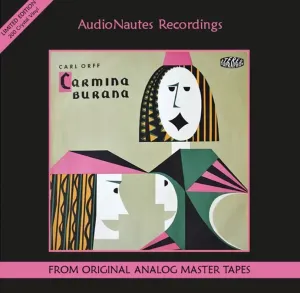
ORFF, Tschechische Philharmonie Prag, Vaclav Smetacek
Carmina Burana

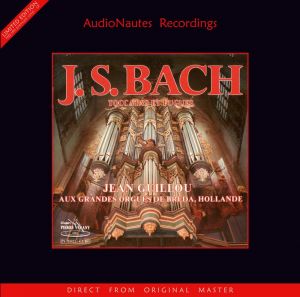
BACH, Jean Guillou
Toccatas et Fugues (BWV 538, 540, 564 & 565)
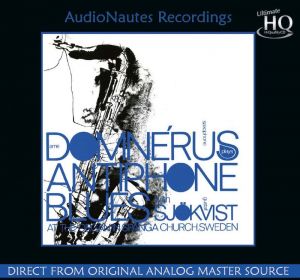
ELLINGTON, SCHUMANN, VIVALDI, Arne Domnerus, Gustaf Sjokvist
Antiphone Blues
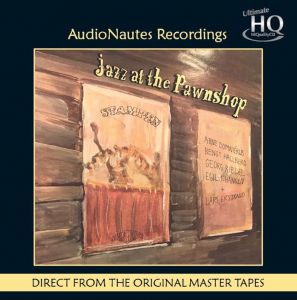
Arne Domnerus, Bengt Hallberg, Lars Erstrand
Jazz At The Pawnshop

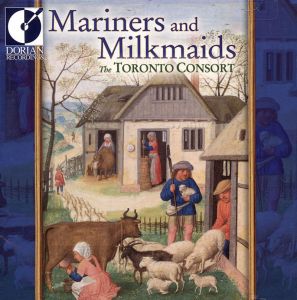
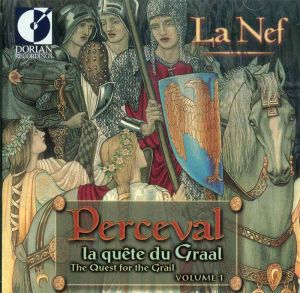
Legendarne brzmienie DORIAN
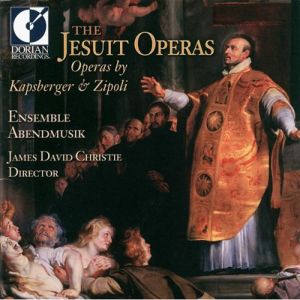
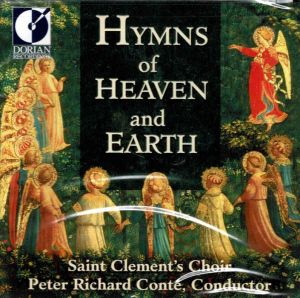
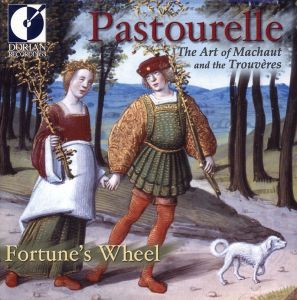
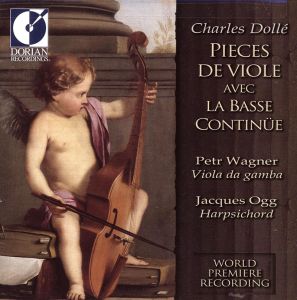
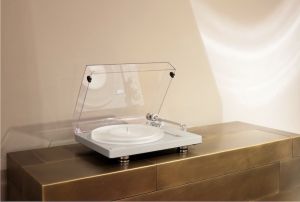
Winylowy niezbędnik
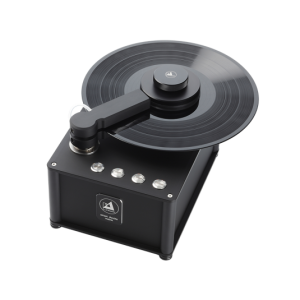
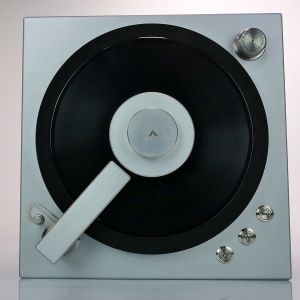
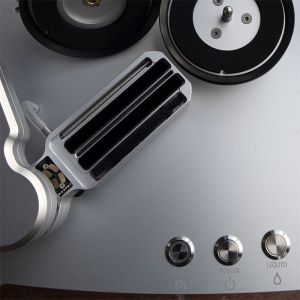
ClearAudio
Double Matrix Professional - Sonic
Klasyczne evergreeny
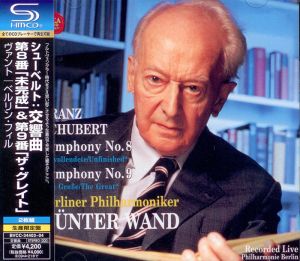
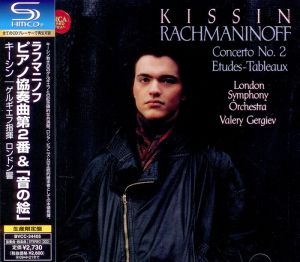
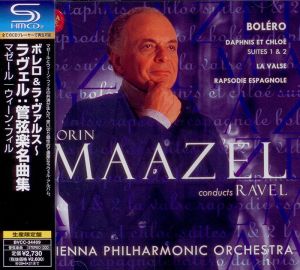
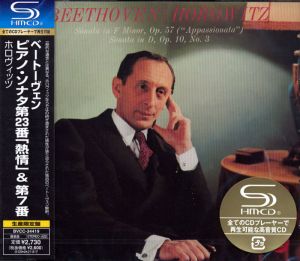
BEETHOVEN, Valdimir Horowitz
Piano Sonata No. 23 in F Minor, Op. 57 APPASSIONATA // Piano Sonata No. 7 in D, Op. 10, No. 3
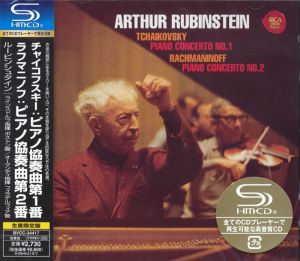
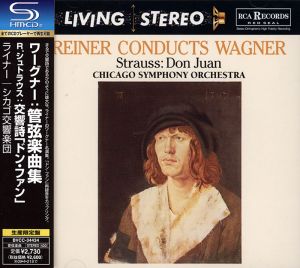
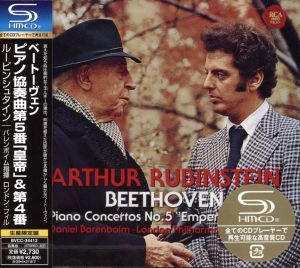
TCHAIKOVSKY, RACHMANINOV, Arthur Rubinstein, Daniel Barenboim
Piano Concerto No. 1 in B-Flat Minor, Op. 23 // Piano Concerto No 2 in C Minor, Op. 18
CHERUBINI, Maria Grazia Schiavo, Auser Musici, Carlo Ipata – Arias and Overtures from Florence to Paris

| Wykonawcy / kompozytorzy | |
|---|---|
| CHERUBINI (composer) | |
| Maria Grazia Schiavo (soprano) | |
| Auser Musici (orchestra) | |
| Carlo Ipata (conductor) | |
- Sinfonia from Il Giulio Sabino (1786, London) . [9'40]
- 1 Adagio — Allegro.....[3'47]
- 2 Adagio......[3'36]
- 3 Allegro vivace......[2'17]
- 4 Turbata ai dubbi accenti.... aria from Ifigenia in Aulide (1788 Turin)[5'57]
- 5 D’un dolce ardor la face insertion aria for ANTONIO SALIERI’s La grotta di Trofonio (1790, Paris)[5'01]
- 6 Ouverture from Démophon (1788 Paris) [6'36]
- 7 Ti lascio adorato mio ben Scena e rondeau [for Mlle Baletti] (1789, Paris) [10'39]
- 8 Sinfonia from Armida abbandonata (1782, Florence) [5'02]
- 9 Qual da venti combattuta aria from Armida abbandonata (1782, Florence)[3'52]
- 10 I mesti affetti miei aria from Il Giulio Sabino (1786, London) [6'12]
- 11 Sinfonia from Mesenzio, re d’Etruria (1782, Florence) [5'06]
- Maria Grazia Schiavo - soprano
- Auser Musici - orchestra
- Carlo Ipata - conductor
- CHERUBINI

59.00 PLN
CD:
Cat. nr: CDA67893Label : Hyperion
'Maria Grazia Schiavo displays a nimble coloratura technique, prhases elegantly and makes much of her words. She vividly captures the pathos and agitation of the scena e rondeau 'Ti lascio adorato' and finds a tenderly softened tone for the graceful love song 'D'un dolce ardor' (Gramophone) 'Schiavo's coloratura generates the thrill of an athelete leaping hurdles' (The Guardian) **************************************** Following acclaimed discs exploring some of the more fascinating byways of the Italian eighteenth century, Auser Musici and its founder-director Carlo Ipata turn to the man Beethoven regarded as the finest of his contemporaries, Luigi Cherubini. It’s not difficult to understand why Beethoven was so impressed: this is music full of character and seriousness of intent, from the strong-jawed Sinfonia for the opera Armida abandonnata, written when Cherubini was just twenty-two, to the dark drama of the Overture to Démophon (which unaccountably failed to wow the sniffy Parisian audiences). And there are vocal delights too, showcasing a virtuosity that looks forward to Rossini and sung here with effortless agility by Maria Grazia Schiavo.