Logowanie
HIMALAJE aufiofilizmu
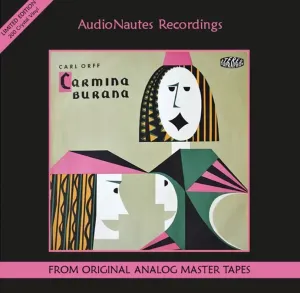
ORFF, Tschechische Philharmonie Prag, Vaclav Smetacek
Carmina Burana
Legendarne nagranie, niezmiennie poszukiwane od dziesięcioleci
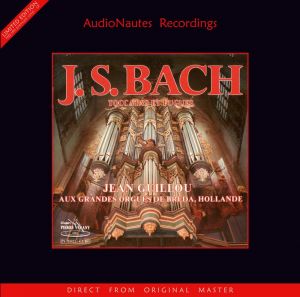
BACH, Jean Guillou
Toccatas et Fugues (BWV 538, 540, 564 & 565)
EDYCJA LIMITOWANA, NUMEROWANA - TYLKO 500 EGZEMPLARZY W SKALI ŚWIATOWEJ
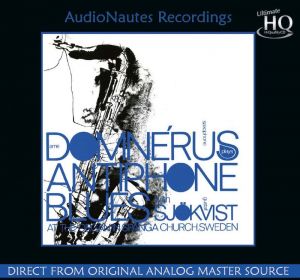
ELLINGTON, SCHUMANN, VIVALDI, Arne Domnerus, Gustaf Sjokvist
Antiphone Blues
Uwaga! Pełna dynamika nagrania! EDYCJE NUMEROWANE, LIMITOWANE
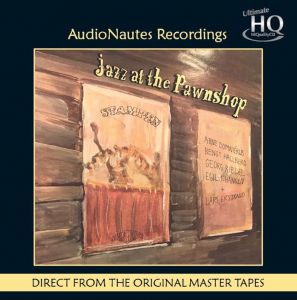
Arne Domnerus, Bengt Hallberg, Lars Erstrand
Jazz At The Pawnshop
Najbardziej audiofilska płyta jazzowa minionego stulecia!
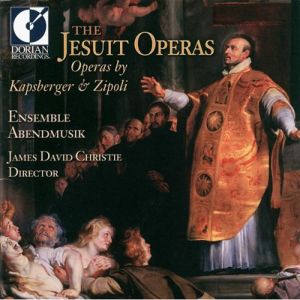
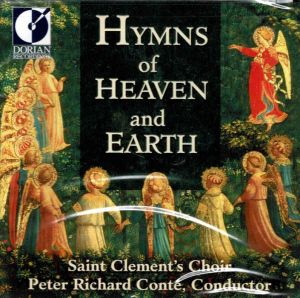
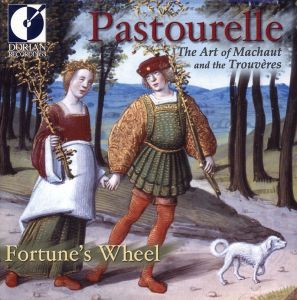
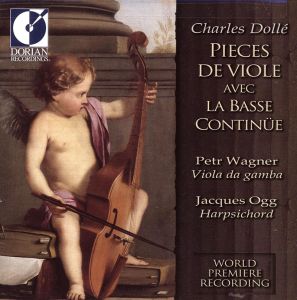
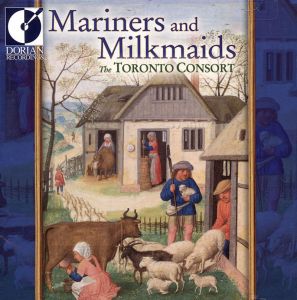
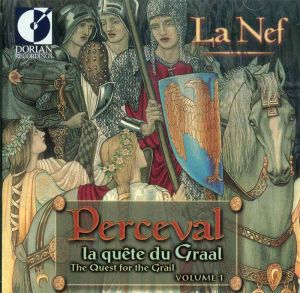
Legendarne brzmienie DORIAN
Winylowy niezbędnik
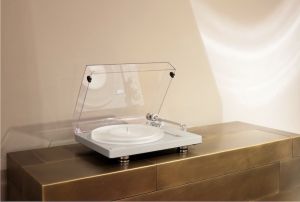
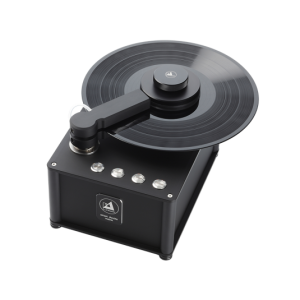
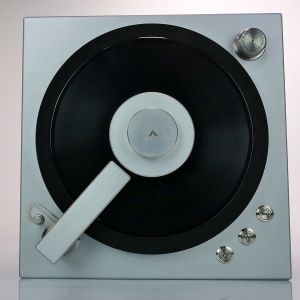
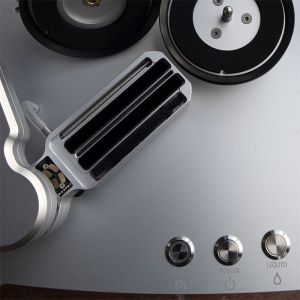
ClearAudio
Double Matrix Professional - Sonic
najbardziej inteligentna i skuteczna pralka do płyt winylowych wszelkiego typu - całkowicie automatyczna
Klasyczne evergreeny
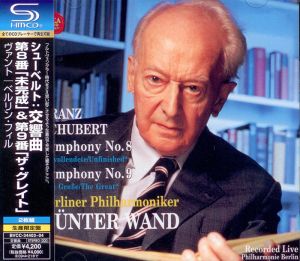
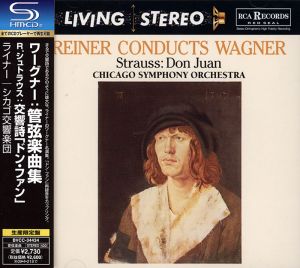
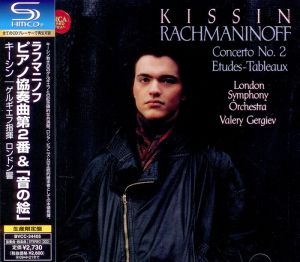
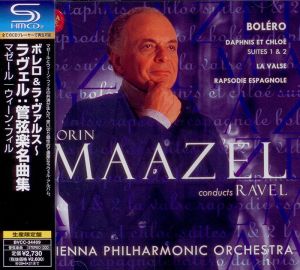
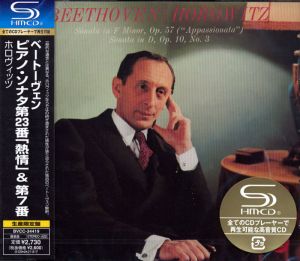
BEETHOVEN, Valdimir Horowitz
Piano Sonata No. 23 in F Minor, Op. 57 APPASSIONATA // Piano Sonata No. 7 in D, Op. 10, No. 3
LIVING STEREO - NAJLEPSZE NAGRANIA W DZIEJACH FONOGRAFII!
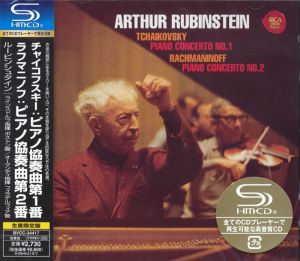
TCHAIKOVSKY, RACHMANINOV, Arthur Rubinstein, Daniel Barenboim
Piano Concerto No. 1 in B-Flat Minor, Op. 23 // Piano Concerto No 2 in C Minor, Op. 18
24bit/92kHz Remastering from original source
BRITTEN, Benjamin Britten, The London Symphony Orchestra, English Chamber Orchestra – The Young Person's Guide to the Orchestra / Variations on a Theme of Frank Bridge

Cover Gallery
CloseCover Gallery

| Wykonawcy / kompozytorzy | |
|---|---|
| BRITTEN (composer) | |
| The London Symphony Orchestra (orchestra) | |
| English Chamber Orchestra (orchestra) | |
| Benjamin Britten (piano) | |
- Benjamin Britten - Young Person's Guide to the Orchestra
- 01. Young Person's Guide to the Orchestra (16:49)
- Variations on a Theme of Frank Bridge:
- 02. a. Introduction and Theme (1:56)
- 03. b. Adagio (2:24)
- 04. c. March (1:07)
- 05. d. Romance (1:37)
- 06. e. Aria Italiana (1:18)
- 07. f. Bourree Classique (1:17)
- 08. g. Wiener Walzer (2:41)
- 09. h. Moto Perpetuo (1:10)
- 10. i. Funeral March (3:59)
- 11. j. Chant (1:40)
- 12. k. Fugue & Finale (7:31)
- The London Symphony Orchestra - orchestra
- English Chamber Orchestra - orchestra
- Benjamin Britten - piano
- BRITTEN
Britten's Young Person's Guide to the Orchestra, Op. 34 ('Variations and Fugue on a Theme of Henry Purcell') was composed in 1946. The work was originally conceived as a score for a documentary film, Instruments of the Orchestra, made by the Crown Film Unit and first shown at the Empire Theatre, Leicester Square, London, on 29 November 1946. The first concert performance of the work was given by the Liverpool Philharmonic Orchestra under Sir Malcolm Sargent on 15 October 1946, at Liverpool, and the Young Person's Guide has since established itself as one of the most popular and immediately appealing of all Britten's instrumental compositions.
 Płyty XRCD - DO ODTWORZENIA W KAŻDYM TYPIE CZYTNIKA CD i DVD . Gwarantują niespotykaną wcześniej analogową jakość brzmienia, znakomitą scenę i wyjątkową przejrzystość oraz kolorystykę dźwięku. |